Binary Stars and My Journey with Speckle Interferometry
If you’d have told me a year ago that I’d be staring at 500 images of tiny dots of light, trying to prove that two stars are actually orbiting each other, I probably would’ve laughed. But that’s exactly what I did, and it turned into a hard, exciting, and rewarding project.
This past year, I dove into the world of binary stars which are systems where two stars orbit around each other. My project used a technique called speckle interferometry to measure their separation and position angles. It does sound fancy, and it definitely felt that way when I first started. But really, it’s a way of “sharpening” blurry starlight by stacking and analyzing hundreds (sometimes thousands) of rapid-fire images. It’s like putting glasses on a telescope.
The Struggle is Real
When I started, I had no idea how challenging this would be. A few highlights of the “trials and tribulations”:
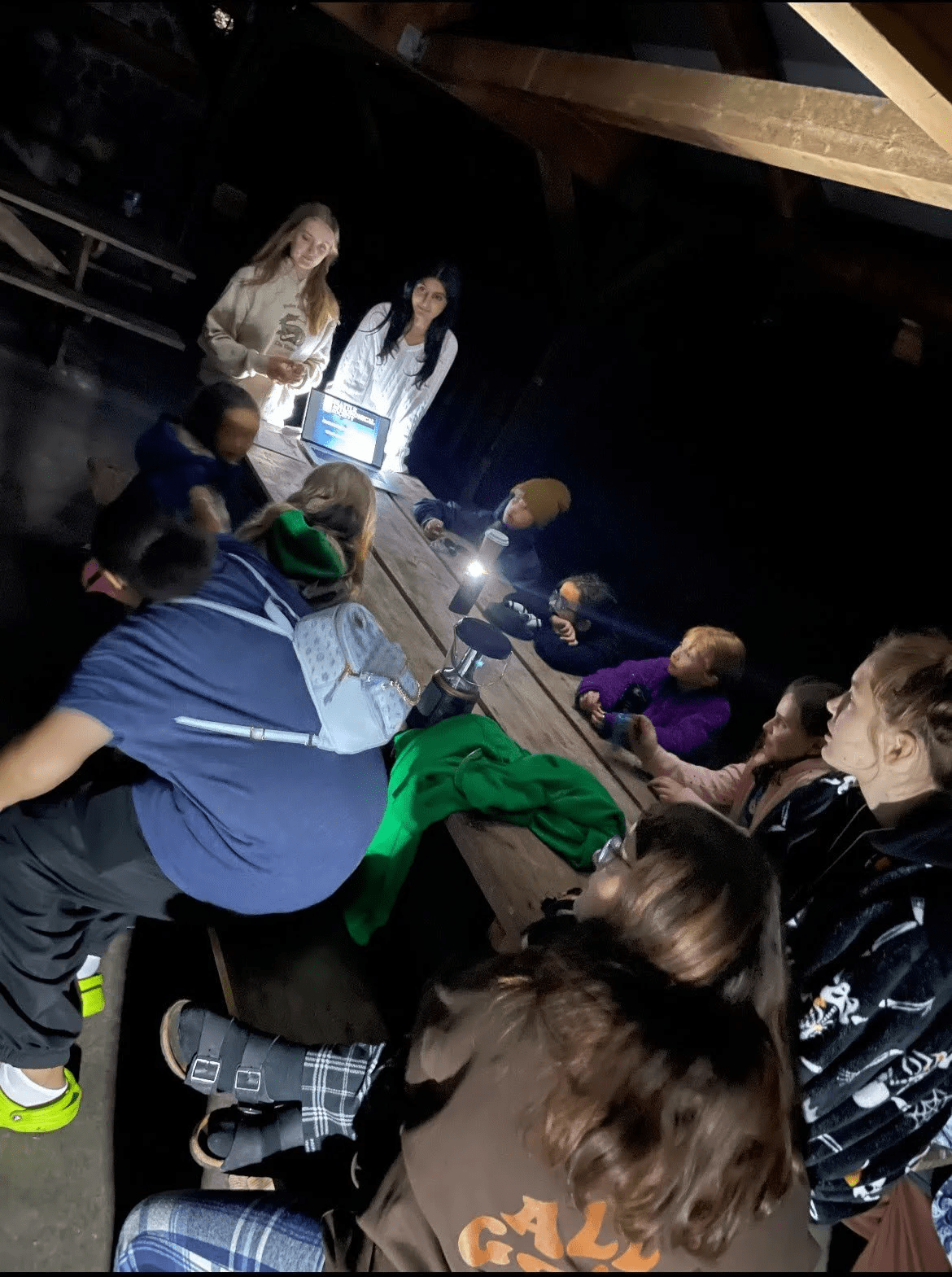
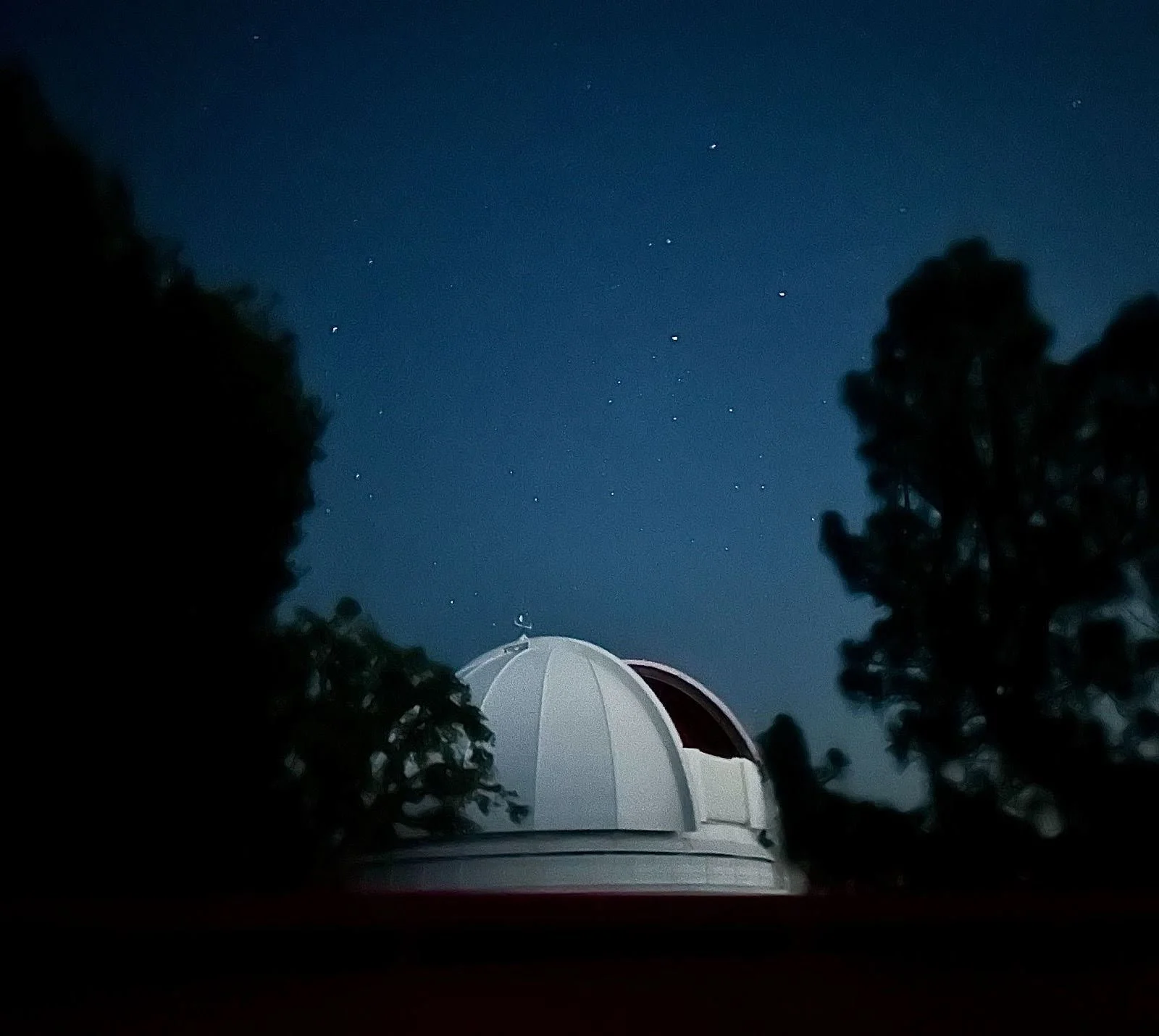
Late-night telescope sessions – At the 60-inch Hale Telescope at the legendary Mt. Wilson observatory (this is where the existence of other galaxies was discovered!), I sat under the California night sky with a team of other astronomers, running exposure after exposure. Each star needed hundreds of images to get one clean measurement.
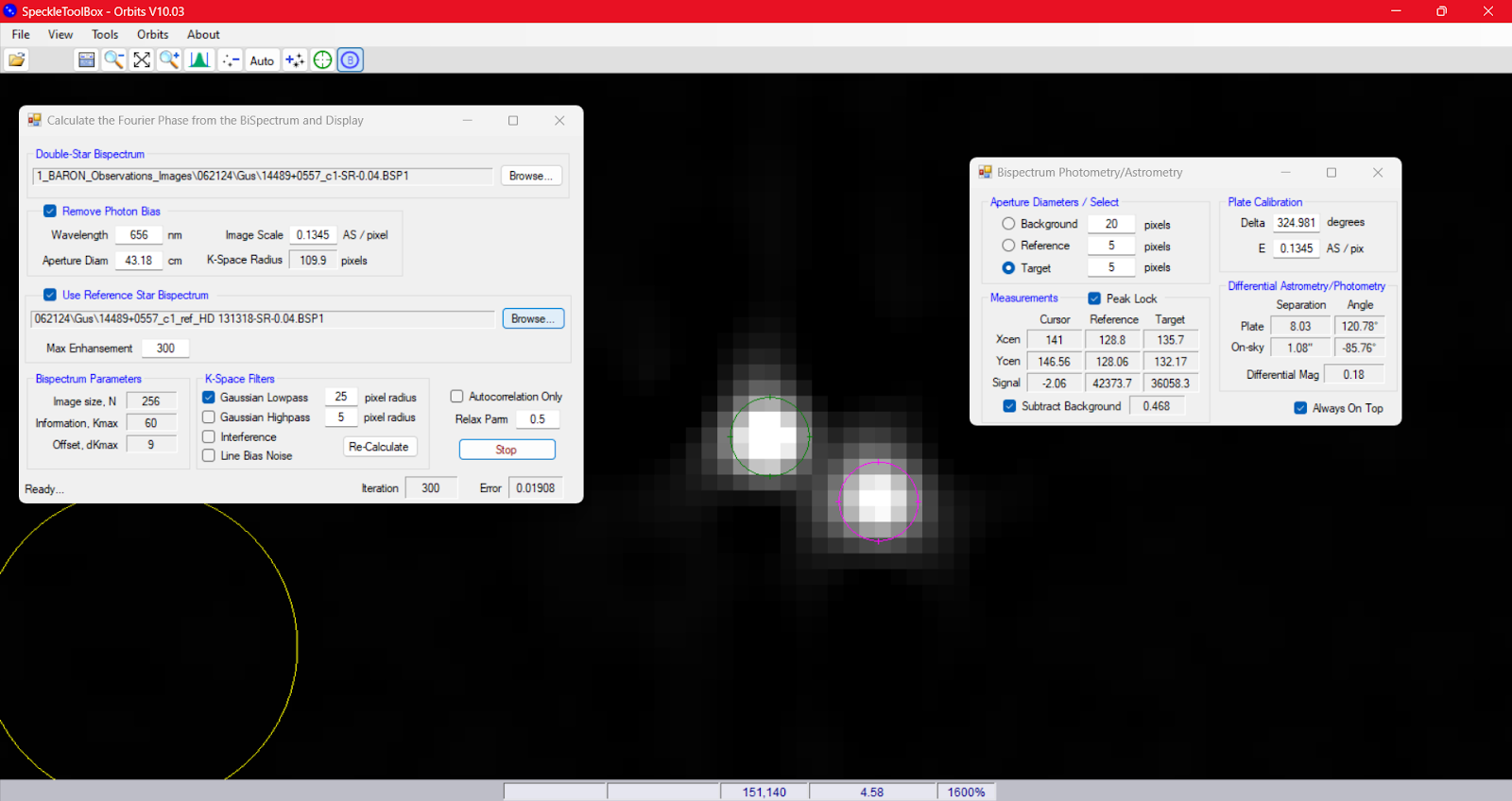
Software headaches – Learning to use the Speckle Toolbox was like navigating a maze. My first attempts ended with me staring at screens of numbers and noise that made zero sense.
Data overload – Each FITS cube of images was massive, and I had to carefully reduce and compare data from different nights. More than once, I thought I had lost all my work because of a processing error.
Self-doubt – There were moments when I felt like this was all too advanced for me and I wouldn’t be able to figure it out.
But every obstacle became a chance to push through. And with the support of mentors, my teammate, and hours of trial and error, I began to see those tiny binary stars resolve into something meaningful.
The Joy of Discovery
The “aha” moment came when the data actually lined up with the Washington Double Star Catalog for one of my targets: WDS 14489+0557. That meant my calibration was working! For the second system, WDS 18146+0011, my measurements didn’t match perfectly, but that was the best part. It meant we’d refined the orbit with new information. That’s what real science is about: not just confirming what we know, but also improving it.
I’ll never forget the moment I plotted my points onto historical orbital data and saw how they shifted the curve. I wasn’t just reading about astrophysics anymore, I was actually contributing to it.
Recognition and Gratitude
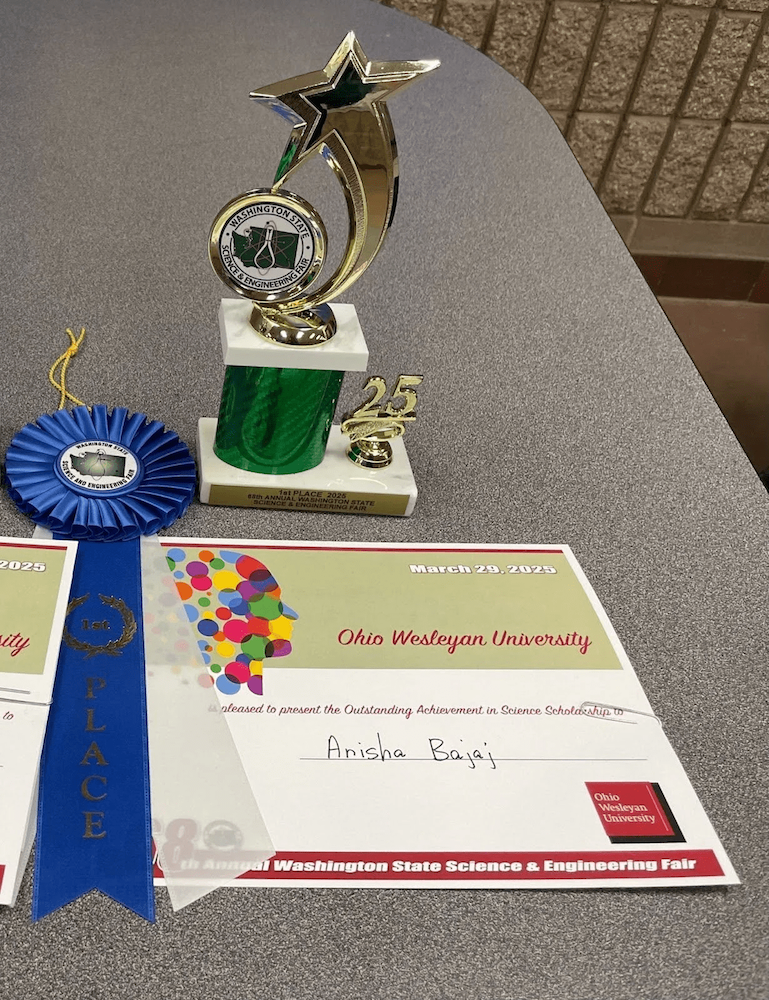
All those nights of data crunching and second-guessing myself paid off when I presented my work with my teammate, Dhruv Mehrotra (also a YASS member) at the Washington State Science & Engineering Fair. Walking away with an award felt surreal. I thought back to every frustrating software crash, every late night staring at pixelated stars, and realized it was definitely worth it.
Why This Matters
Binary stars are a key to unlocking stellar masses, lifecycles, and even the way galaxies evolve. But for me, this project was about more than astrophysics. It taught me patience, resilience, and that students as young as me can contribute to science.
That’s also why I started YASS, to make astronomy accessible to students. Astronomy doesn’t have to be textbooks and diagrams. It can be nights at the telescope, hard work, and the eventual joy of new discovery.
Stay tuned for more blogs like this — I’ll be sharing more about my adventures in astronomy, what we do at YASS, and how YOU can get involved in science.